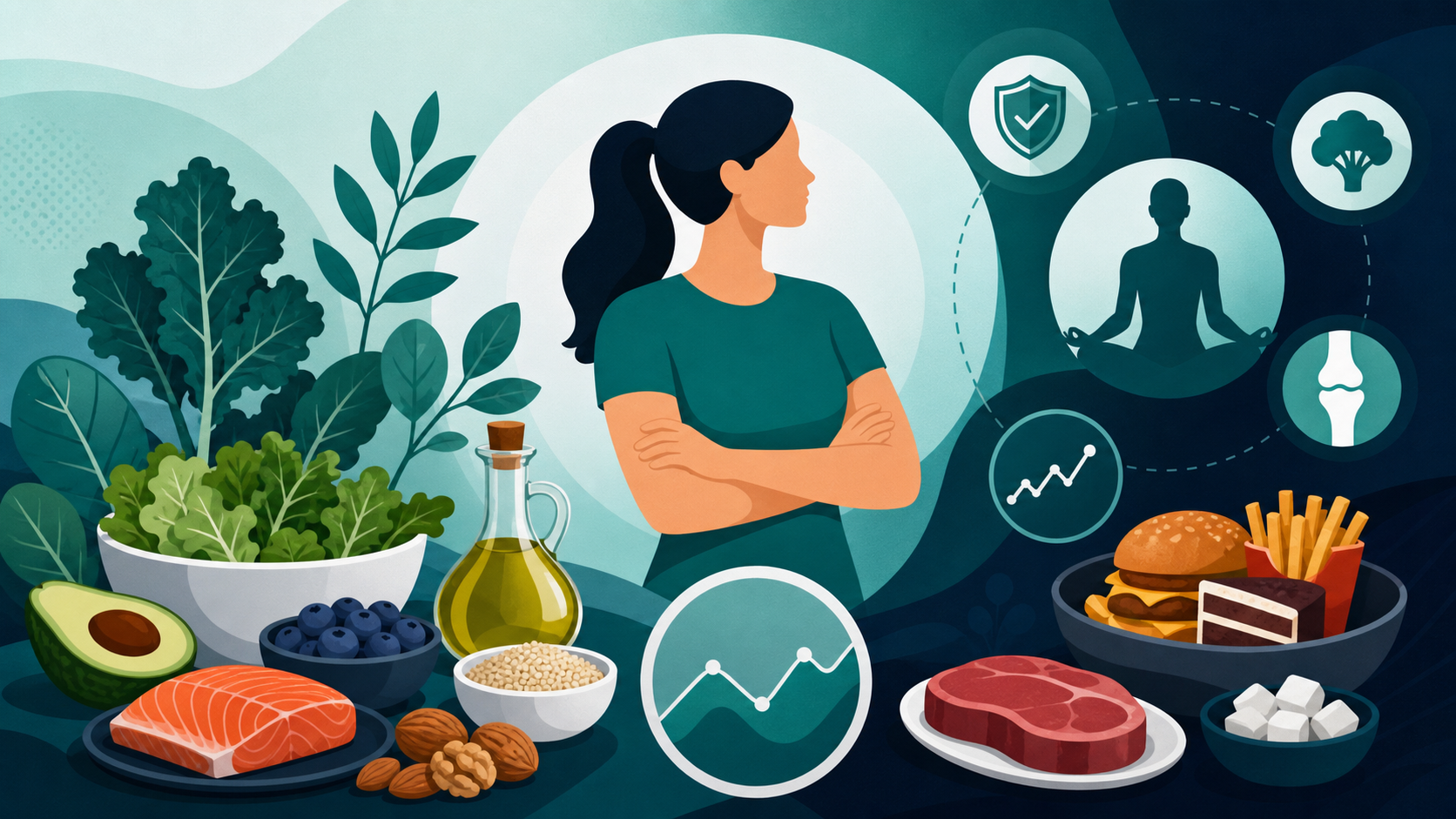
How to Fight Chronic Inflammation With Food: What to Eat, What to Avoid, and How to Track Your Progress
You've probably heard the word "inflammation" thrown around a lot lately — in health podcasts, on supplement labels, and in your doctor's office. But what does it actually mean, and why should you care? More importantly, what can you do about it starting today?
Inflammation isn't inherently bad. In fact, it's your body's first line of defense. When you cut your finger or catch a cold, acute inflammation rushes immune cells to the scene to fight off invaders and start healing. The problem arises when that inflammatory response never fully switches off — a state called chronic low-grade inflammation. This silent, persistent inflammation has been linked to heart disease, type 2 diabetes, obesity, depression, and even certain cancers.
The good news? Your daily food choices are one of the most powerful levers you have for controlling inflammation. Here's what the science says — and how to put it into practice.
What Causes Chronic Inflammation?
Chronic inflammation doesn't usually have a single cause — it's the result of multiple lifestyle factors compounding over time. The most common contributors include:
A diet high in ultra-processed foods, refined sugars, and industrial seed oils
Excess body fat, particularly visceral fat stored around the organs
Chronic stress and poor sleep (both of which elevate cortisol)
Sedentary behavior and lack of regular movement
Smoking and excessive alcohol consumption
An imbalanced gut microbiome
Notice that diet appears at the top of that list. Research consistently shows that what you eat can either fan the flames of inflammation or help put them out. The Mediterranean diet, for example, has been studied extensively and is associated with significantly lower markers of inflammation — including C-reactive protein (CRP), a key blood marker your doctor can test.
Foods That Fight Inflammation
Anti-inflammatory eating isn't about following a rigid protocol or eliminating entire food groups. It's about consistently choosing foods that are rich in antioxidants, fiber, and healthy fats — and minimizing the ones that trigger an inflammatory response. Here are the heavy hitters:
Fatty fish (salmon, sardines, mackerel): Rich in omega-3 fatty acids (EPA and DHA), which directly inhibit inflammatory pathways. Aim for at least two servings per week.
Leafy greens (spinach, kale, arugula): Packed with vitamins K and E, folate, and polyphenols that neutralize free radicals before they can trigger inflammation.
Berries (blueberries, strawberries, cherries): Among the highest antioxidant foods available. Anthocyanins — the pigments that give berries their color — have been shown to reduce inflammatory markers in multiple studies.
Extra virgin olive oil: Contains oleocanthal, a compound with anti-inflammatory properties similar to ibuprofen. Use it as your primary cooking fat and for salad dressings.
Nuts and seeds (walnuts, flaxseeds, chia seeds): Excellent plant-based sources of omega-3s and fiber. A small handful of walnuts daily has been linked to lower CRP levels.
Turmeric and ginger: Curcumin (in turmeric) and gingerols are among the most studied natural anti-inflammatory compounds. Pair turmeric with black pepper to boost absorption by up to 2,000%.
Legumes (lentils, chickpeas, black beans): High in fiber, which feeds beneficial gut bacteria and reduces systemic inflammation. They're also a budget-friendly protein source.
Foods That Fuel Inflammation
Just as important as what you add to your diet is what you reduce. These foods are consistently associated with higher inflammatory markers:
Refined carbohydrates and added sugars: White bread, pastries, sugary drinks, and candy spike blood sugar rapidly, triggering an inflammatory cascade. Even "healthy" fruit juices can be problematic in large quantities.
Industrial seed oils (soybean, corn, sunflower oil): High in omega-6 fatty acids, which compete with omega-3s. The modern Western diet has an omega-6 to omega-3 ratio of roughly 15:1 — far from the ideal 4:1 or lower.
Ultra-processed foods: Packaged snacks, fast food, and ready meals often contain a cocktail of additives, preservatives, and refined ingredients that promote gut permeability and inflammation.
Excessive alcohol: More than one to two drinks per day disrupts the gut microbiome and increases intestinal permeability, allowing bacterial toxins to enter the bloodstream and trigger inflammation.
Trans fats: While largely banned in the US, partially hydrogenated oils still appear in some imported and older packaged products. Check labels carefully.
How to Know If Your Diet Is Working
One of the most useful things you can do is get a baseline blood test that includes CRP (C-reactive protein) and, if possible, a full lipid panel. These markers give you objective data on your inflammatory status. After 8–12 weeks of consistent dietary changes, retest and compare.
Subjectively, many people notice improvements in energy, joint comfort, skin clarity, and digestion within just a few weeks of shifting toward an anti-inflammatory eating pattern. These early wins are a good sign that the changes are taking hold.
It's also worth tracking your body composition over time. Excess body fat — especially visceral fat — is itself a source of inflammatory signals. Using a BMI Calculator can give you a quick snapshot of where you stand, and pairing it with a Body Fat Calculator gives you a more complete picture of your body composition — since BMI alone doesn't distinguish between fat and muscle mass.
Building an Anti-Inflammatory Day of Eating
You don't need to overhaul your entire diet overnight. Start with small, sustainable swaps and build from there. Here's what a practical anti-inflammatory day might look like:
Breakfast: Greek yogurt with blueberries, a tablespoon of ground flaxseed, and a drizzle of honey. Or two eggs scrambled in olive oil with a handful of spinach.
Lunch: A large salad with mixed greens, canned salmon or sardines, cherry tomatoes, cucumber, walnuts, and extra virgin olive oil and lemon dressing.
Snack: A small handful of almonds and a piece of dark chocolate (70%+ cacao, which contains flavonoids with anti-inflammatory properties).
Dinner: Baked salmon with roasted broccoli and sweet potato, seasoned with turmeric, black pepper, and olive oil. A side of lentil soup adds extra fiber and plant protein.
Notice that this isn't a deprivation diet — it's genuinely satisfying food that happens to be powerfully anti-inflammatory. The key is consistency over perfection. Eating this way 80% of the time will produce meaningful results; you don't need to be rigid about the other 20%.
Beyond Diet: The Other Pillars of Inflammation Control
Food is the foundation, but it works best alongside other lifestyle habits. Regular moderate exercise (150 minutes per week of brisk walking, cycling, or swimming) has been shown to reduce inflammatory markers significantly. Chronic over-exercise, however, can have the opposite effect — so balance is key.
Sleep is equally critical. During deep sleep, your body clears inflammatory waste products from the brain and repairs damaged tissue. Consistently getting fewer than 7 hours per night is associated with elevated CRP and interleukin-6 — two major inflammatory markers.
Finally, understanding your caloric needs can help you maintain a healthy weight, which directly reduces inflammatory load. A TDEE Calculator can help you figure out exactly how many calories your body burns each day, so you can eat in a way that supports a healthy body composition without under- or over-fueling.
Chronic inflammation is a slow burn — but so is the solution. Small, consistent changes to what you eat and how you live compound over months and years into dramatically better health outcomes. Start with one or two swaps this week, and build from there. Your future self will thank you.
Before you act on this
This article is for general educational purposes only. Everyone’s situation is different, so before making any decisions please refer to a qualified doctor or licensed healthcare professional who can advise you based on your specific circumstances.