The Practical Guide to Gut Health: How to Improve Your Microbiome Through Food and Lifestyle
Your gut is doing a lot more than just digesting food. It's home to trillions of bacteria, fungi, and other microorganisms that collectively make up your gut microbiome — and research over the past decade has linked this ecosystem to everything from your immune system and mental health to your weight, energy levels, and even your risk of chronic disease. The good news? You have more control over your gut health than you might think.
This guide breaks down what gut health actually means, the signs that yours might need attention, and the practical, science-backed steps you can take starting today — no expensive supplements required.
What Is the Gut Microbiome (And Why Does It Matter)?
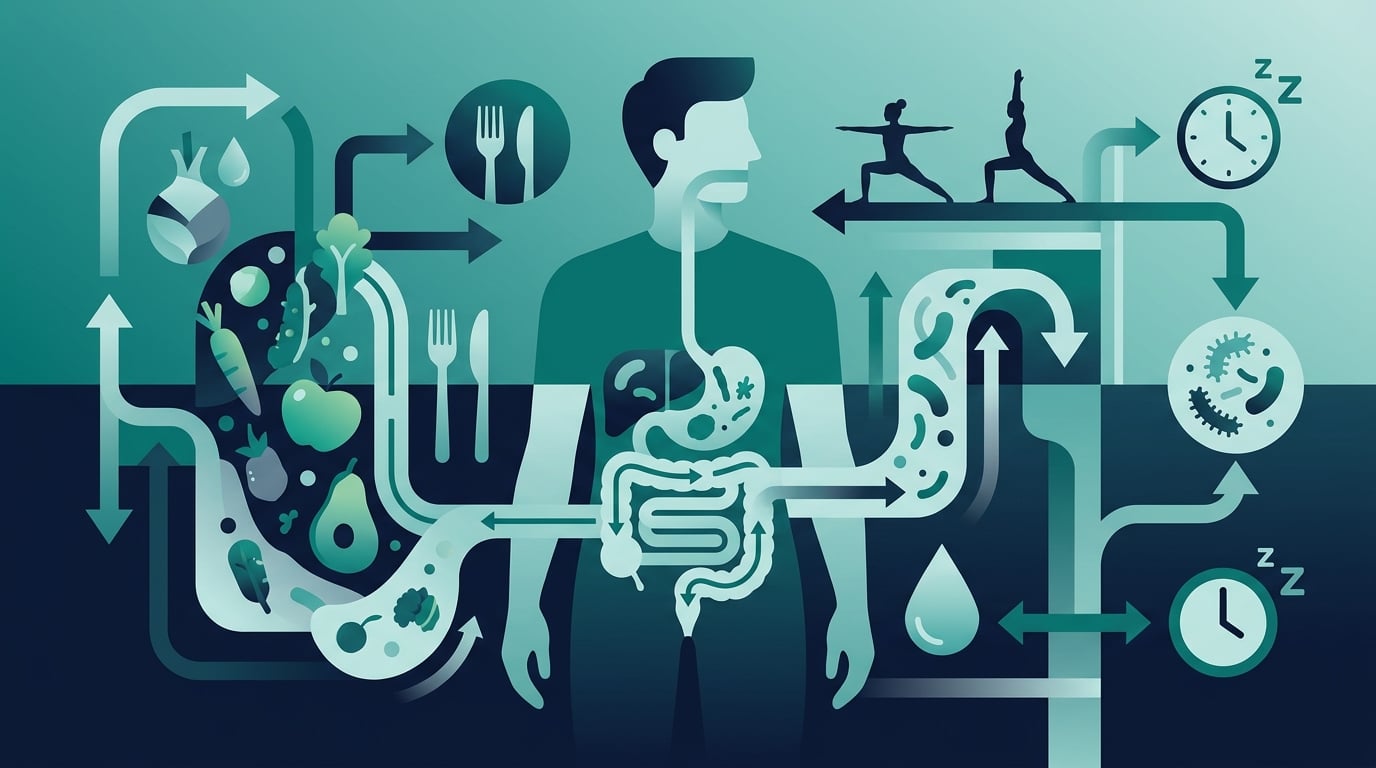
Your gut microbiome is the community of microorganisms living in your digestive tract, primarily in your large intestine. A healthy microbiome is diverse — meaning it contains many different species of bacteria — and balanced, with beneficial bacteria outnumbering harmful ones.
When this balance is disrupted (a state called dysbiosis), it can contribute to a wide range of problems: bloating, constipation, diarrhea, fatigue, brain fog, skin issues, and even mood disorders. Research has found strong connections between gut health and conditions like irritable bowel syndrome (IBS), type 2 diabetes, obesity, and depression.
The gut-brain axis — the two-way communication highway between your gut and your brain — means that what happens in your digestive system doesn't stay there. About 90% of your body's serotonin (the "feel-good" neurotransmitter) is produced in the gut, which is why gut health and mental health are so closely intertwined.
Signs Your Gut Health Might Be Off
Not everyone with poor gut health has obvious digestive symptoms. Here are some common warning signs to watch for:
Frequent bloating, gas, or stomach cramps — especially after eating certain foods
Irregular bowel movements — constipation, diarrhea, or alternating between both
Persistent fatigue — even after a full night's sleep
Unintentional weight changes — gaining or losing weight without changing your diet or exercise habits
Skin problems — acne, eczema, or rosacea that doesn't respond to topical treatments
Food intolerances — developing sensitivities to foods you used to tolerate fine
Frequent illness — since about 70% of your immune system lives in your gut
If several of these sound familiar, it's worth paying closer attention to your gut — and potentially discussing it with your doctor.
The Foods That Feed a Healthy Gut
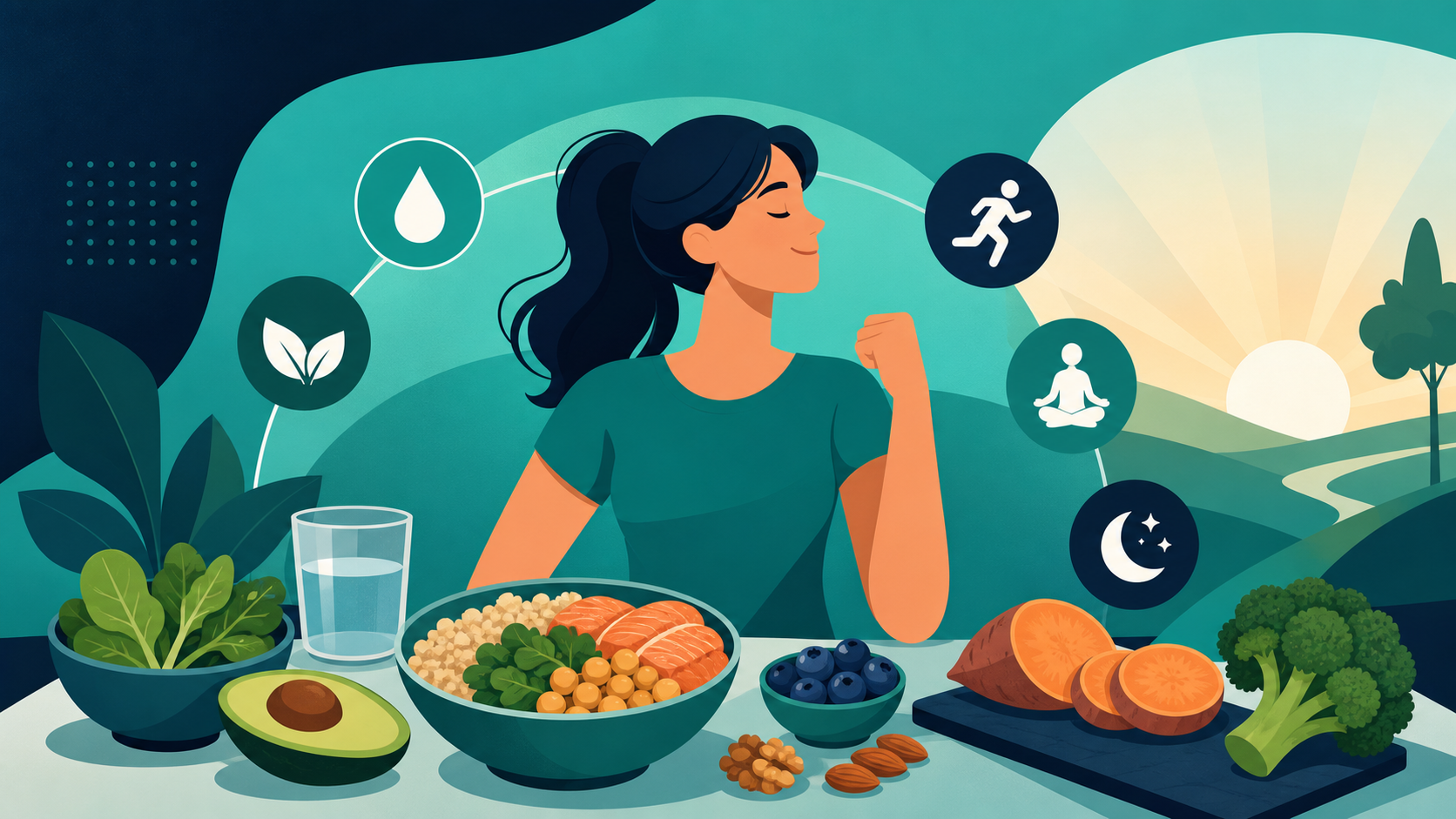
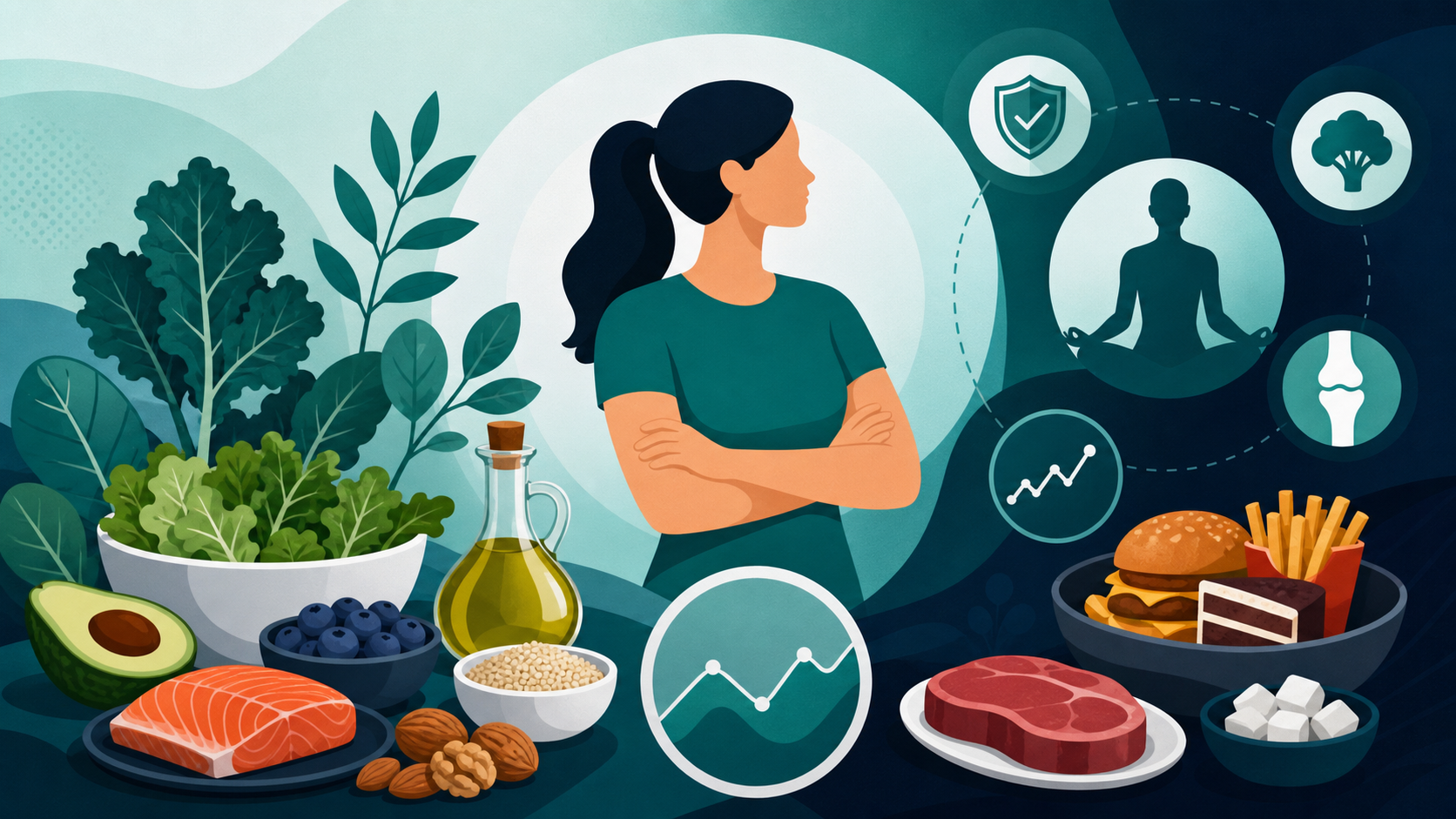
Diet is the single most powerful lever you have for improving your gut microbiome. Here's what to prioritize:
Fiber-rich foods — Vegetables, fruits, legumes, and whole grains feed beneficial gut bacteria. Aim for 25–38 grams of fiber per day. Most Americans get less than half that.
Fermented foods — Yogurt (with live cultures), kefir, sauerkraut, kimchi, miso, and kombucha introduce beneficial bacteria directly into your gut. Even small daily servings make a measurable difference.
Prebiotic foods — These feed your existing good bacteria. Top sources include garlic, onions, leeks, asparagus, bananas, and oats.
Polyphenol-rich foods — Blueberries, dark chocolate, green tea, olive oil, and red wine (in moderation) contain plant compounds that beneficial bacteria love to feast on.
Omega-3 fatty acids — Found in fatty fish, flaxseeds, and walnuts, omega-3s help reduce gut inflammation and support microbial diversity.
A practical goal: try to eat 30 different plant foods per week. Research from the American Gut Project found that people who ate 30+ plant varieties had significantly more diverse microbiomes than those who ate 10 or fewer. This doesn't mean 30 different vegetables — herbs, spices, nuts, seeds, and legumes all count.
What to Limit (or Avoid)
Just as important as what you eat is what you cut back on. These are the biggest gut disruptors:
Ultra-processed foods — Packaged snacks, fast food, and ready meals often contain emulsifiers and artificial additives that disrupt the gut lining and reduce microbial diversity.
Excess sugar — Feeds harmful bacteria and yeast, throwing off the balance of your microbiome.
Artificial sweeteners — Some studies suggest sweeteners like saccharin and sucralose negatively alter gut bacteria, even though they contain no calories.
Excessive alcohol — Disrupts the gut lining and promotes the growth of harmful bacteria.
Unnecessary antibiotics — Antibiotics wipe out harmful and beneficial bacteria alike. Only use them when genuinely necessary, and follow up with probiotic-rich foods afterward.
Lifestyle Factors That Affect Your Gut
Diet is crucial, but it's not the whole picture. These lifestyle factors have a significant impact on your gut microbiome:
Sleep — Poor sleep disrupts the gut microbiome within just two nights. Aim for 7–9 hours of quality sleep per night.
Exercise — Regular physical activity increases microbial diversity and promotes the growth of beneficial bacteria that produce short-chain fatty acids, which protect the gut lining.
Stress management — Chronic stress directly harms gut bacteria through the gut-brain axis. Practices like meditation, deep breathing, and even regular walks can help.
Hydration — Water helps move food through your digestive system and supports the mucosal lining of the intestines. Use our Water Intake Calculator to find your personalized daily hydration target based on your weight and activity level.
How Gut Health Connects to Your Weight
If you've ever struggled to lose weight despite eating well and exercising, your gut microbiome could be a factor. Research shows that people with less diverse gut bacteria tend to gain weight more easily and have a harder time losing it. Certain gut bacteria are more efficient at extracting calories from food — meaning two people eating the exact same meal can absorb different amounts of energy from it.
This is one reason why understanding your body's baseline numbers matters so much. Tools like the TDEE Calculator help you understand your total daily energy expenditure — the number of calories your body actually burns — so you can set realistic nutrition targets that work with your metabolism, not against it.
Similarly, tracking your BMI over time gives you a simple benchmark for monitoring whether your overall health trajectory is moving in the right direction, even as you make gut-health improvements that may not show up on the scale immediately.
A Simple 7-Day Gut Reset Plan
You don't need a dramatic cleanse or expensive protocol to start improving your gut health. Here's a practical one-week plan:
Day 1–2: Add one fermented food daily (yogurt at breakfast, a small serving of kimchi or sauerkraut with dinner).
Day 3–4: Swap one ultra-processed snack for a whole-food alternative — an apple with almond butter, or hummus with vegetables.
Day 5: Add a prebiotic food to at least two meals (garlic in your cooking, banana as a snack, oats for breakfast).
Day 6: Focus on hydration — hit your daily water target and cut back on sugary drinks.
Day 7: Count your plant foods for the day. Aim for at least 8–10 different plant varieties in a single day.
By the end of the week, many people notice reduced bloating, more consistent energy, and improved digestion. These aren't placebo effects — your microbiome can begin shifting within 24–48 hours of dietary changes.
The Bottom Line
Gut health isn't a wellness trend — it's a foundational pillar of overall health that affects your digestion, immunity, mental clarity, weight, and more. The best part is that improving it doesn't require expensive supplements or complicated protocols. Eat more plants, add fermented foods, stay hydrated, sleep well, and manage stress. Small, consistent changes compound into a dramatically healthier gut over weeks and months.
Start with one change this week. Your gut — and the rest of your body — will thank you.
Before you act on this
This article is for general educational purposes only. Everyone’s situation is different, so before making any decisions please refer to a qualified doctor or licensed healthcare professional who can advise you based on your specific circumstances.