How to Eat Out Without Blowing Your Budget: A Practical Guide to Dining Out Smarter
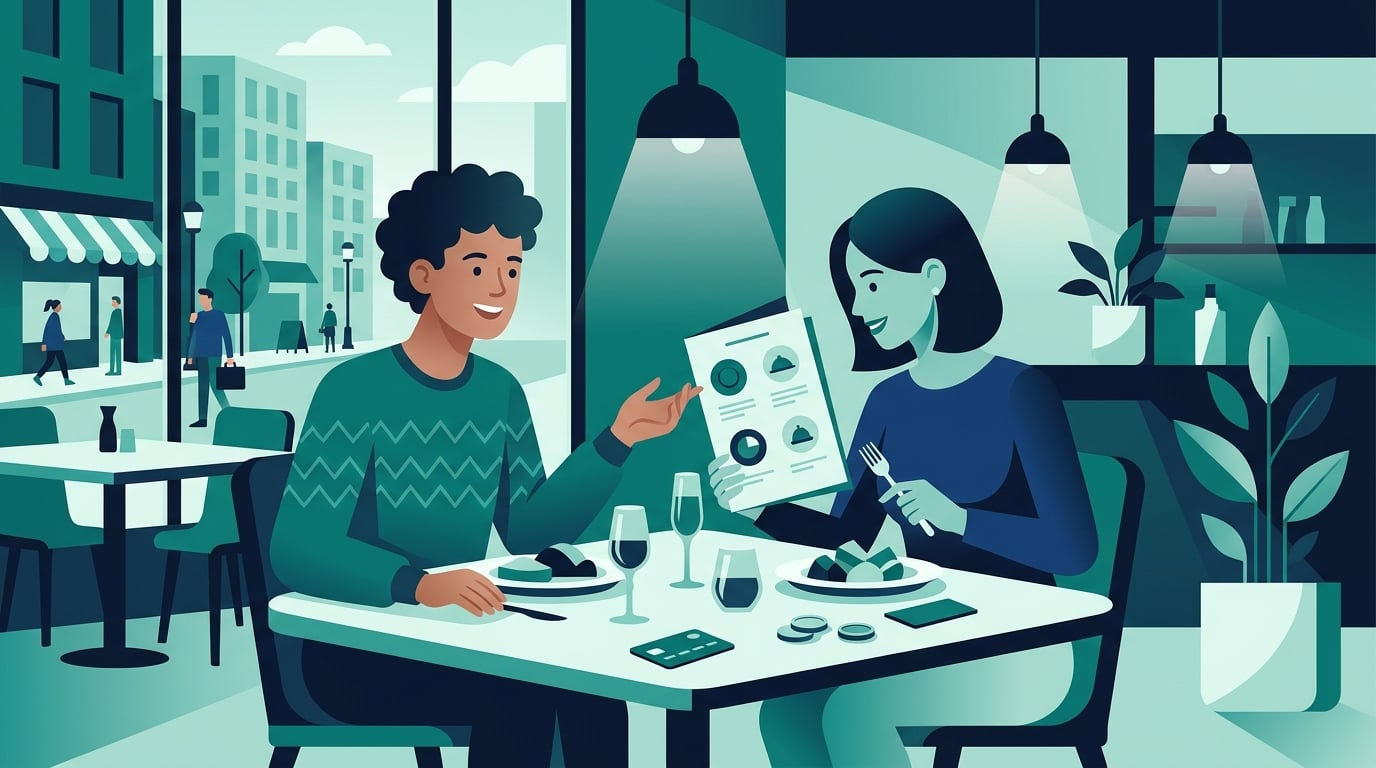
Eating out is one of life's genuine pleasures — a birthday dinner, a spontaneous brunch, a date night, or just not wanting to cook on a Tuesday. But for many people, restaurant spending quietly becomes one of the biggest leaks in their monthly budget. The average American household spends over $3,000 a year dining out, and a surprising chunk of that is wasted on avoidable costs: inflated drinks, miscalculated tips, and missed deals.
The good news? You don't have to stop eating out to stop overspending. You just need a smarter approach. Here's how to enjoy restaurants without the financial hangover.
Know What You're Actually Spending Before You Go
Most people underestimate their restaurant bill by 20–30% because they forget to factor in tax, tip, and drinks. A $15 entrée can easily become a $25 total once you add a cocktail, tax, and a standard tip. Before you sit down, do a quick mental (or actual) calculation of what the meal will realistically cost.
A simple rule: take the menu price of your food and drinks, add 10% for tax (varies by state), then add your tip on top. Use our Tip Calculator to figure out exactly what you'll owe — including how to split it fairly when dining with a group. Knowing the real number before you order helps you make intentional choices rather than sticker-shock decisions at the end.
Time Your Visits to Save 20–40%
Restaurants are businesses with slow periods they desperately want to fill. That's why happy hours, early-bird specials, and lunch menus exist — and they're genuinely good deals, not just marketing gimmicks.
Happy hour: Many bars and restaurants offer 25–50% off drinks and appetizers between 3–6 PM on weekdays. A $14 cocktail becomes $7. Two people can have a full appetizer spread for the price of one entrée.
Lunch menus: The same kitchen, the same chef, often the same dishes — but lunch portions are priced 20–35% lower than dinner. If you're flexible, a Saturday lunch at a nice restaurant beats a Friday dinner at a mediocre one for the same price.
Restaurant week: Many cities host annual restaurant weeks where upscale spots offer prix-fixe menus at dramatically reduced prices. A three-course dinner at a $100-per-person restaurant might run $45. Search "[your city] restaurant week" to find upcoming events.
Weeknight specials: Tuesday and Wednesday are the slowest nights for most restaurants. Many offer specials — half-price wine, BOGO entrees, or discounted tasting menus — specifically to drive traffic on those nights.
Use Deals and Discounts Without Feeling Cheap
There's a persistent myth that using coupons or deals at restaurants is somehow embarrassing. It isn't. Savvy diners use restaurant apps, loyalty programs, and deal platforms as a matter of course — and they eat just as well as everyone else at the table.
Here's where to look:
Restaurant loyalty apps: Chains like Chipotle, Panera, Starbucks, and Chili's have loyalty programs that give you free items, birthday rewards, and points toward future meals. If you eat at these places anyway, you're leaving money on the table by not signing up.
OpenTable and Yelp: Both platforms occasionally offer dining credits or cash-back rewards for booking through their apps. OpenTable's Dining Points can be redeemed for dining checks at participating restaurants.
Groupon and deal sites: Best for trying new restaurants. A $40 Groupon for $80 worth of food is a genuine 50% discount — just read the fine print about expiration dates and excluded items.
Credit card dining perks: Many travel and rewards cards offer 3–5% cash back on dining, or access to exclusive restaurant reservations and discounts. If you're not using a card with dining rewards, you're missing out on an easy 3–5% return on every meal.
When a discount is applied, use our Discount Calculator to quickly verify you're getting the savings you expect — especially useful when a deal says "20% off your total" and you want to confirm the math before paying.
The Drinks Trap (And How to Avoid It)
Beverages are where restaurants make their highest margins — and where diners most consistently overspend. A $4 soda, a $14 cocktail, or a $12 glass of wine can add $20–$40 to a two-person dinner without anyone noticing until the bill arrives.
Some strategies that work:
Order water for the table: Free, unlimited, and you won't miss the $4 sodas. If you want something special, order one drink you'll really enjoy rather than reflexively ordering a round.
BYOB restaurants: Many smaller restaurants allow you to bring your own wine or beer for a small corkage fee ($5–$15). A $20 bottle of wine from a shop beats a $60 bottle from the restaurant list every time.
Drink before or after: Have cocktails at a bar with happy hour pricing, then move to dinner. Or skip drinks at dinner and grab dessert and a drink at a café afterward. You get the full experience at a fraction of the cost.
Dining Out Abroad: Don't Let Currency Confusion Cost You
If you travel internationally, restaurant spending gets a new layer of complexity: currency conversion. A menu price of "€28" or "¥3,500" can feel abstract until you're back home looking at your credit card statement.
Before you order at a restaurant abroad, take 30 seconds to check the current exchange rate with our Currency Converter. Knowing that €28 is roughly $30 USD (or $35 with your card's foreign transaction fee) helps you make informed choices rather than guessing. It also helps you spot when a tourist-trap restaurant is charging three times the local rate.
A few more tips for dining abroad:
Avoid "tourist menus" near major attractions: Walk two or three blocks away from the main square or landmark and prices often drop 30–50% for the same quality food.
Eat where locals eat: A restaurant with menus only in the local language and no photos is usually a good sign. Photos on menus are often a signal that the restaurant is optimized for tourists, not quality.
Pay in local currency: When a card terminal asks if you want to pay in your home currency (called Dynamic Currency Conversion), always say no. The exchange rate offered is almost always worse than what your bank will give you.
Set a Monthly Dining Budget (And Actually Stick to It)
The most effective way to control restaurant spending isn't to stop eating out — it's to decide in advance how much you're comfortable spending each month and treat that as a real constraint.
A practical approach: look at your last three months of bank or credit card statements and find your average monthly restaurant spend. If it's higher than you'd like, set a target that's 20% lower and track it weekly. Many banking apps now categorize spending automatically, making this easier than ever.
Within your budget, prioritize experiences over frequency. One genuinely great dinner at a restaurant you've been wanting to try is more satisfying — and often cheaper in total — than four mediocre takeout orders. Quality over quantity is a principle that applies to food just as much as anything else.
The Bottom Line
Eating out doesn't have to be a budget buster. With a few intentional habits — timing your visits, using available deals, being strategic about drinks, and knowing what you're spending before the bill arrives — you can enjoy restaurants regularly without the financial guilt. The goal isn't to eat out less. It's to eat out smarter.
Before you act on this
This article is for general educational purposes only. Everyone’s situation is different, so before making any decisions please refer to a relevant qualified professional who can advise you based on your specific circumstances.