How to Cut Your Grocery Bill in Half Without Eating Less (or Worse)
The average American household spends over $400 a month on groceries — and for families, that number can easily climb past $800. Yet most of that spending isn't driven by what you eat. It's driven by how you shop. With a few strategic shifts in your habits, you can cut your grocery bill by 30–50% without eating less, going hungry, or surviving on ramen noodles.
This isn't about extreme couponing or spending hours comparing prices at five different stores. It's about working smarter — planning ahead, understanding how grocery stores are designed to make you spend more, and using a handful of tools and techniques that actually move the needle.
Start With a Meal Plan (Even a Rough One)
The single biggest driver of grocery overspending is shopping without a plan. When you walk into a store without knowing what you're making this week, you buy ingredients that don't connect, forget things you need, and end up ordering takeout anyway. The result: wasted food and wasted money.
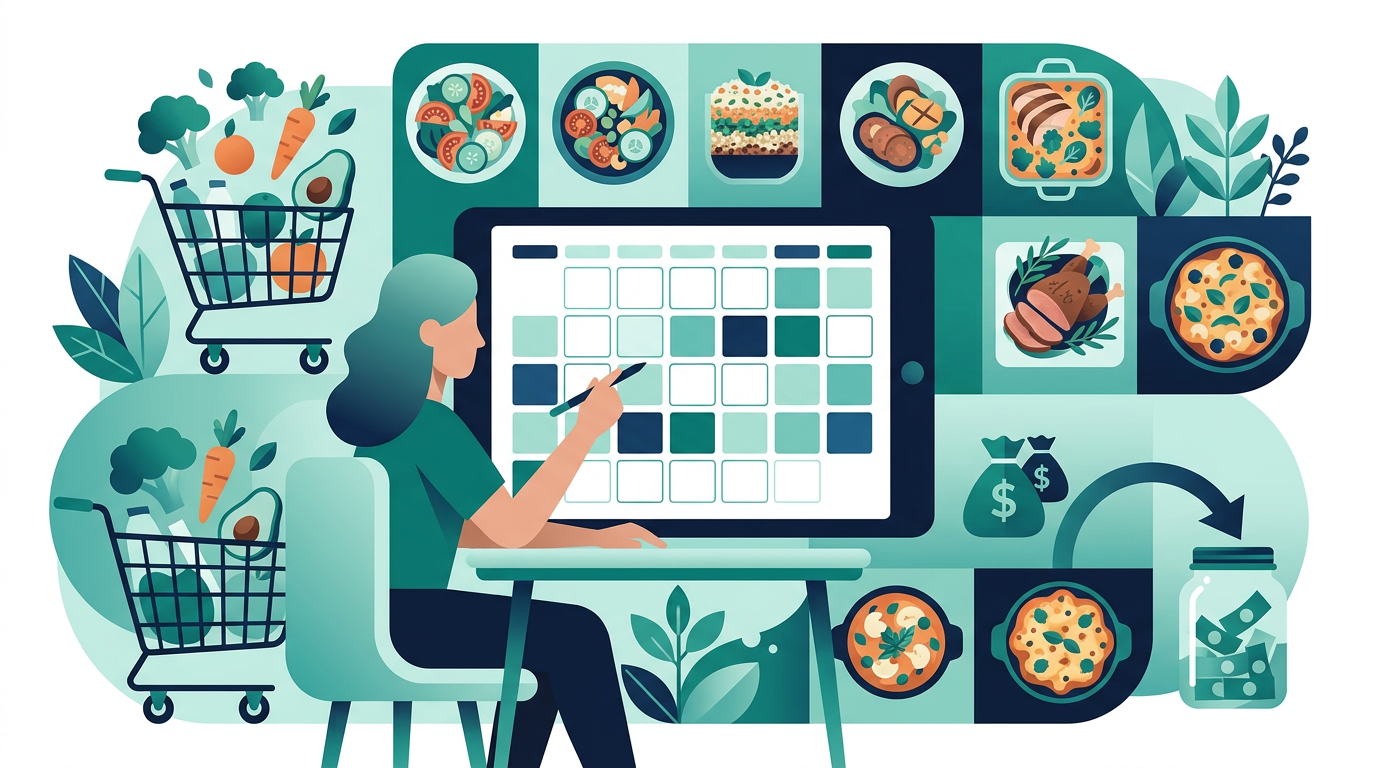
You don't need a rigid, color-coded meal plan. Even a rough list of five dinners, two lunches, and a few breakfasts is enough to anchor your shopping trip. Start by checking what's already in your fridge and pantry — build meals around those items first. Then fill in the gaps with a focused shopping list.
Studies consistently show that shoppers who bring a list spend 20–30% less than those who don't. That's not a small number. On a $500/month grocery budget, that's $100–$150 back in your pocket every single month.
Understand the "Per Unit" Price — Not the Sticker Price
Grocery stores are masters of optical illusions. A "2 for $5" deal sounds great until you realize the single item is $2.49. A jumbo pack looks like a bargain until you calculate the price per ounce and discover the medium size is actually cheaper.
Always compare by unit price — price per ounce, per pound, per count. Most store shelf tags include this, but they're often in tiny print. Get in the habit of doing a quick mental check before grabbing the "deal." You can also use our Discount Calculator to quickly verify whether a sale price is actually saving you money compared to your usual brand or size.
The same logic applies to "buy one get one" offers. They're only a deal if you'll actually use both items before they expire. If half ends up in the trash, you haven't saved anything.
Shop the Perimeter First, Then the Middle
Grocery stores are deliberately laid out to maximize your time inside and your exposure to high-margin products. The perimeter — produce, meat, dairy, bakery — is where the whole, unprocessed foods live. The center aisles are where the heavily marketed, heavily packaged, and heavily marked-up products sit.
A simple rule: fill most of your cart from the perimeter, then dip into the center aisles only for specific items on your list. This naturally steers you toward fresher, more nutritious food while reducing impulse buys of snacks, cereals, and convenience items that cost far more per calorie than whole foods.
Embrace Store Brands (Seriously)
Here's a secret the food industry doesn't want you to know: store-brand products are often made in the same factories as name brands. The difference is the label and the price — which can be 20–40% lower for identical quality.
Start by switching store-brand on items where quality differences are minimal: canned goods, pasta, rice, flour, sugar, frozen vegetables, cooking oils, and cleaning products. Keep your name brands for the few items where you genuinely notice a difference. Most people find that after a month of testing, they can't tell the difference on 80% of what they buy.
Canned tomatoes, beans, and vegetables: almost always identical
Pasta and rice: no meaningful quality difference
Frozen fruits and vegetables: often fresher than name brands
Spices and seasonings: dramatically cheaper, same flavor
Over-the-counter medications: same active ingredients by law
Reduce Food Waste — It's Like Finding Free Money
The USDA estimates that American households throw away 30–40% of the food they buy. Think about that: if you spend $500 on groceries, you might be tossing $150–$200 worth of food every month. Cutting food waste is one of the fastest ways to reduce your grocery bill without changing what you eat at all.
A few habits that make a real difference:
First in, first out: When you unpack groceries, move older items to the front of the fridge and pantry so they get used first.
Designate a "use it up" night: Once a week, cook a meal using whatever's left in the fridge before it goes bad. Stir-fries, soups, and frittatas are perfect for this.
Freeze before it spoils: Bread, meat, cheese, and many vegetables freeze well. If you won't use something in the next two days, freeze it.
Buy only what you'll use: Bulk buying only saves money if you actually consume it all.
Time Your Shopping Strategically
Most grocery stores mark down meat, bread, and prepared foods in the late afternoon or evening when items are approaching their sell-by date. Shopping at these times — typically between 4–7 PM on weekdays — can yield significant discounts on proteins, which are usually the most expensive part of any grocery budget.
Also, never shop hungry. It sounds cliché because it's true: studies show that hungry shoppers spend significantly more and make more impulsive choices. Eat a snack before you go, and you'll stick to your list far more reliably.
Use Cash-Back Apps and Loyalty Programs
Apps like Ibotta, Fetch Rewards, and Rakuten offer real cash back on grocery purchases — not points, not coupons, actual money deposited to your account. Combined with your store's loyalty card (which unlocks sale prices), these apps can add up to $20–$50 in monthly savings with minimal effort.
If you shop at international markets or buy imported goods, keep an eye on currency fluctuations too. Our Currency Converter can help you understand the real cost of imported specialty items and whether it's worth seeking out local alternatives.
Calculate Your Real Savings
Once you've implemented these strategies for a month, it's worth doing a quick audit. Compare your grocery receipts from before and after. If you're eating out less because you have better food at home, factor that in too — restaurant meals typically cost 3–5x more than cooking the same dish yourself.
When you're evaluating sale prices or bulk deals, use our Tip Calculator for quick percentage math — it's handy for figuring out exactly how much you're saving on a percentage-off deal without doing mental gymnastics in the store aisle.
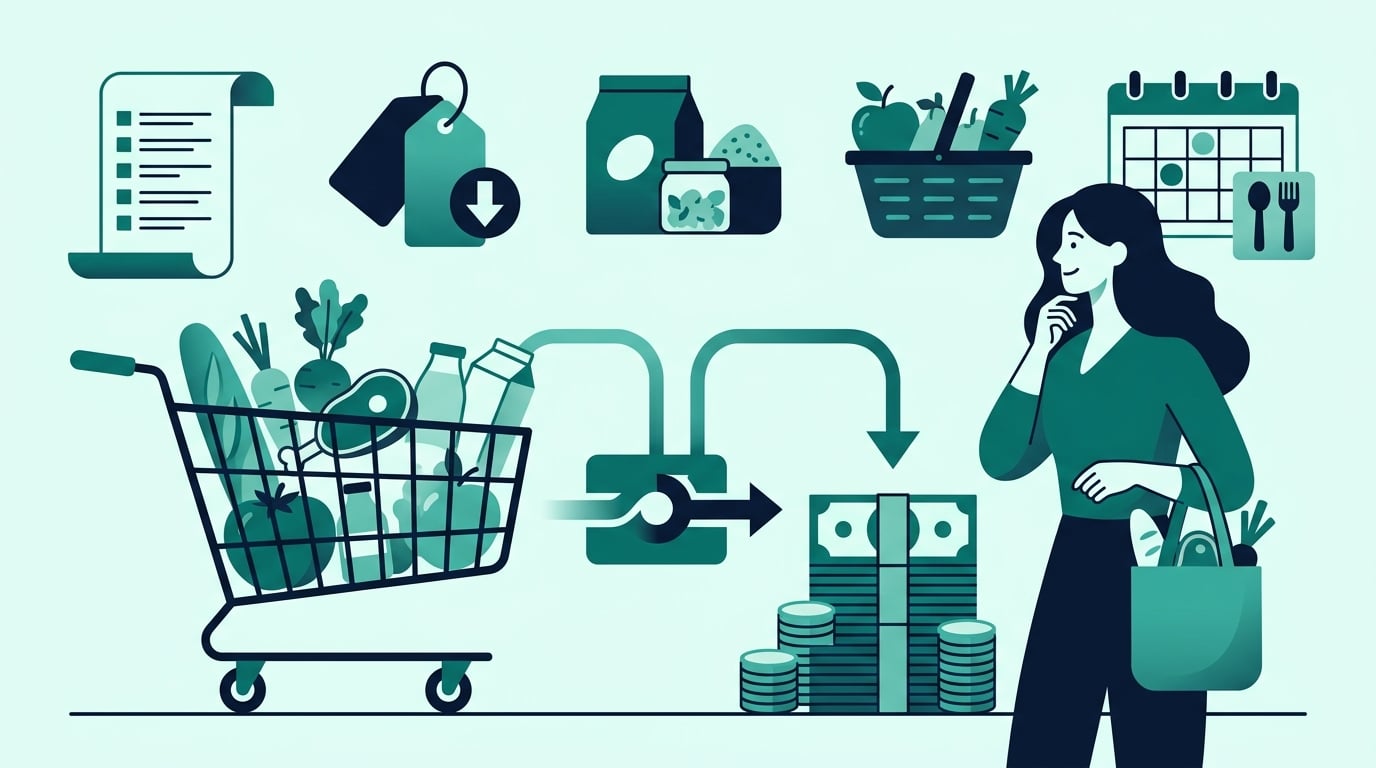
The goal isn't to obsess over every penny — it's to build a few smart habits that run on autopilot. Meal plan on Sunday, shop with a list, choose store brands by default, and waste less. Do those four things consistently, and you'll likely find $100–$200 extra in your budget every month without feeling deprived of anything.
Before you act on this
This article is for general educational purposes only. Everyone’s situation is different, so before making any decisions please refer to a relevant qualified professional who can advise you based on your specific circumstances.