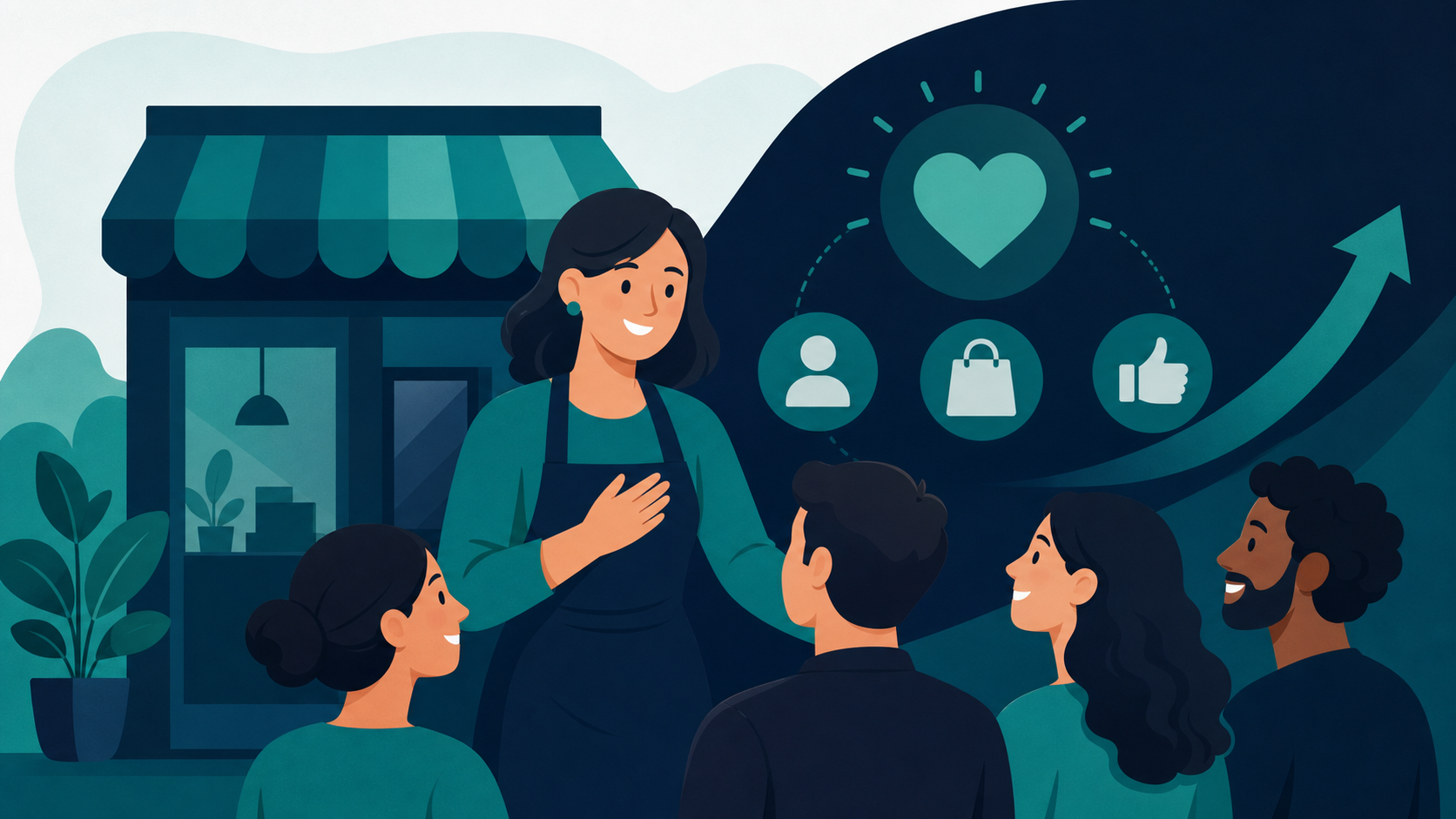
How to Build a Loyal Customer Base for Your Small Business (Without a Big Advertising Budget)
Here's a number that should stop every small business owner in their tracks: acquiring a new customer costs five to seven times more than keeping an existing one. Yet most small businesses spend the bulk of their marketing budget chasing new leads while barely investing in the customers they already have. If you want sustainable growth without burning through your advertising budget, the answer isn't more ads — it's building a loyal customer base that keeps coming back and brings their friends along.
Customer loyalty isn't magic. It's a system — one you can build deliberately, even on a shoestring budget. This guide walks you through the practical strategies that actually work for small businesses, from the first interaction to the tenth purchase and beyond.
Why Customer Retention Is Your Most Powerful Growth Lever
Before diving into tactics, it helps to understand the math. A loyal customer who returns four times a year is worth dramatically more than four one-time buyers — not just in revenue, but in referrals, reviews, and reduced marketing costs. Research from Bain & Company found that increasing customer retention by just 5% can boost profits by 25% to 95%, depending on the industry.
Use the Percentage Calculator to run your own numbers. If you currently retain 60% of customers year over year and you improve that to 70%, calculate the revenue impact on your existing customer base. The results are often eye-opening — and motivating.
The goal isn't just to avoid losing customers. It's to turn satisfied customers into enthusiastic advocates who actively recommend you to others. That kind of word-of-mouth marketing is free, credible, and far more persuasive than any ad you could run.
Start With an Exceptional First Experience
Loyalty is built from the very first interaction. Whether someone finds you online, walks into your shop, or hires you for a service, the experience they have in those first moments sets the tone for everything that follows. Small businesses have a natural advantage here: you can offer a level of personal attention that large corporations simply can't match.
A few things that make a lasting first impression:
Respond fast. Whether it's an inquiry, a complaint, or a question, speed signals that you value the customer's time. Aim to respond within a few hours, not days.
Deliver on your promises. If you say the order ships in two days, ship it in two days. Reliability is the foundation of trust.
Personalize where you can. Use the customer's name. Remember their preferences. Note what they ordered last time. These small touches feel significant to the person on the receiving end.
Follow up after the sale. A quick message asking if everything arrived well or if they have questions costs nothing and builds enormous goodwill.
Build a Simple Loyalty Program That Actually Gets Used
Loyalty programs don't have to be complicated or expensive. The most effective ones are simple enough that customers understand them immediately and feel rewarded quickly. A punch card, a points system, or a tiered discount structure can all work — the key is making the reward feel attainable and genuinely valuable.
When designing your loyalty discount structure, use the Discount Calculator to model different scenarios. For example, if you offer a 15% loyalty discount to repeat customers, calculate the impact on your margins at different price points. You want the reward to feel generous to the customer while remaining sustainable for your business.
Some loyalty program formats that work well for small businesses:
Punch cards or visit rewards. "Buy 9, get the 10th free" is simple, tangible, and effective. Customers can see their progress, which motivates them to return.
Spend-based rewards. Offer a credit or discount after a customer reaches a spending threshold — for example, $10 off their next purchase after spending $100 total.
VIP tiers. Recognize your best customers with a special status — early access to new products, exclusive discounts, or a dedicated contact. People love feeling like insiders.
Birthday or anniversary perks. A small discount or free item on a customer's birthday costs little but creates a memorable, personal moment.
Communicate Consistently (Without Being Annoying)
Staying top of mind is essential for loyalty, but there's a fine line between helpful communication and spam. The goal is to show up in your customers' lives in ways that feel valuable, not intrusive.
Email remains one of the most cost-effective channels for small businesses. A monthly newsletter with genuinely useful content — tips, behind-the-scenes updates, exclusive offers — keeps your brand present without feeling pushy. The key word is "genuinely useful." If every email is just a sales pitch, people will unsubscribe. If every email teaches them something or gives them something, they'll look forward to it.
Social media works similarly. Share content that reflects your values, showcases your work, and invites conversation. Respond to comments and messages promptly. When customers feel like they know the person behind the business, they're far more likely to stay loyal — and to recommend you to others.
Handle Problems Like a Pro
Here's a counterintuitive truth: how you handle a problem can actually make a customer more loyal than if nothing had gone wrong in the first place. A customer who experiences a mistake and sees you fix it quickly and graciously often becomes one of your most devoted advocates. They've seen your character under pressure, and it impressed them.
When something goes wrong:
Acknowledge it immediately. Don't get defensive or make excuses. A simple "I'm sorry this happened, let me make it right" goes a long way.
Fix it faster than expected. If you said you'd resolve it in 48 hours, resolve it in 24. Exceeding expectations during a difficult moment is memorable.
Add a small gesture. A discount on their next purchase, a handwritten note, or a small freebie shows you genuinely care about making things right — not just closing the complaint.
Make Billing and Payments Frictionless
One underrated aspect of customer loyalty is the payment experience. Confusing invoices, unexpected charges, or clunky payment processes erode trust even when everything else is going well. Making it easy and transparent to pay you is a genuine competitive advantage.
Use the Invoice Generator to create clean, professional invoices that clearly itemize what the customer is paying for. A well-structured invoice reduces confusion, speeds up payment, and signals that you run a professional operation — all of which reinforce the customer's confidence in doing business with you again.
Also consider offering multiple payment options. The easier it is to pay you, the fewer reasons customers have to delay — or to quietly drift toward a competitor who makes things simpler.
Ask for Feedback — and Actually Use It
Customers who feel heard are customers who stay. Regularly asking for feedback — and visibly acting on it — sends a powerful message: you care about their experience, not just their money.
Keep feedback requests simple. A one-question survey after a purchase ("How was your experience today?") is more likely to get a response than a lengthy form. When customers share suggestions and you implement them, let them know. "We heard your feedback and made this change" is one of the most loyalty-building things you can say.
Online reviews are a related opportunity. Encourage satisfied customers to leave reviews on Google or Yelp — not with incentives (which can violate platform policies), but simply by asking at the right moment, like right after a positive interaction. Reviews build social proof that attracts new customers while reinforcing loyalty in existing ones.
The Long Game: Loyalty Compounds Over Time
Building a loyal customer base isn't a campaign you run for a quarter — it's a culture you build over years. The businesses that win long-term are the ones that treat every customer interaction as an investment in a relationship, not just a transaction.
Start with one or two of the strategies in this guide and implement them well before adding more. A simple loyalty punch card executed consistently beats a complex points system that nobody understands. A monthly email newsletter with genuinely useful content beats daily posts that say nothing. Depth beats breadth when it comes to customer relationships.
The customers who stay with you through price increases, slow seasons, and the occasional mistake are the ones who will carry your business forward. Invest in them, and they'll invest in you.
Before you act on this
This article is for general educational purposes only. Everyone’s situation is different, so before making any decisions please refer to a qualified accountant, attorney, or business advisor who can advise you based on your specific circumstances.