How to Create a Winning Sales Funnel for Your Small Business (Without a Big Marketing Budget)
Most small business owners hear "sales funnel" and picture a massive marketing operation with a six-figure ad budget, a dedicated team, and software that costs more per month than their rent. The truth? A well-built sales funnel is just a clear path that takes someone from "I've never heard of you" to "here's my credit card." And you can build one for almost nothing — if you know what you're doing.
This guide breaks down exactly how to create a sales funnel that works for a small business, using strategies that are practical, affordable, and — most importantly — repeatable.
What Is a Sales Funnel, Really?
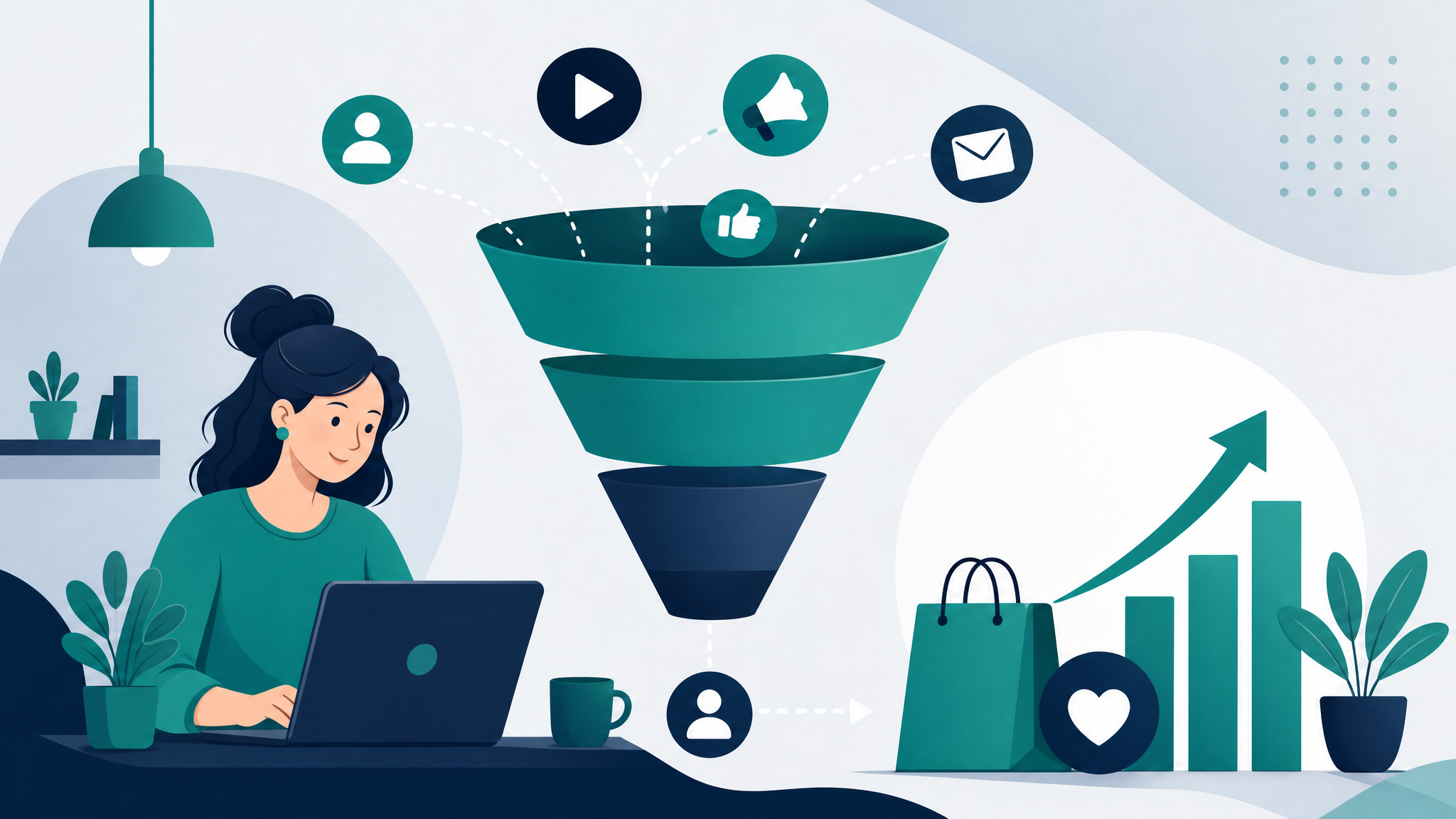
A sales funnel is simply the journey a potential customer takes before they buy from you. It has four basic stages:
Awareness — They discover you exist (social media, Google search, word of mouth).
Interest — They want to learn more (they visit your website, read your content, follow you).
Decision — They're comparing you to alternatives and weighing whether to buy.
Action — They buy, book, or sign up.
Most small businesses accidentally skip stages. They go straight from "follow us on Instagram" to "buy now" — and wonder why nobody converts. A funnel fills in the gaps.
Stage 1: Awareness — Get Found Without Paying for Ads
Paid ads can work, but they're expensive and stop the moment you stop paying. Instead, focus on channels that compound over time:
SEO-optimized blog content: Write articles that answer the questions your ideal customers are already Googling. A local plumber who writes "how to fix a slow drain without chemicals" will show up when homeowners search that exact phrase.
Google Business Profile: If you serve local customers, this is non-negotiable. It's free, and a fully optimized profile can put you at the top of local search results.
Social media consistency: You don't need to be on every platform. Pick one where your customers actually spend time and post consistently — three times a week beats seven times one week and zero the next.
Referral programs: Your happiest customers are your best marketers. Offer a small incentive — a discount, a gift card, a free add-on — for every referral that converts. Use our Discount Calculator to figure out exactly how much you can afford to give away while still protecting your margins.
Stage 2: Interest — Give Them a Reason to Stick Around
Once someone finds you, you have about 8 seconds to convince them to stay. Your website's homepage needs to answer three questions instantly: What do you do? Who is it for? Why should I trust you?
Beyond the homepage, the most powerful interest-building tool for small businesses is a lead magnet — something valuable you give away for free in exchange for an email address. Good lead magnets for small businesses include:
A free checklist or guide (e.g., "10 Questions to Ask Before Hiring a Contractor")
A free consultation or discovery call
A free sample, trial, or demo
A discount code for first-time buyers
Once you have their email, you can nurture the relationship over time — which brings us to the most underused tool in small business marketing: email sequences. A simple 3-email welcome sequence (introduce yourself, share a helpful tip, make an offer) can dramatically increase conversions from cold leads.
Stage 3: Decision — Remove Every Reason Not to Buy
At the decision stage, your prospect is interested but hesitant. They're asking themselves: Is this worth the money? Can I trust this business? What if it doesn't work out?
Your job is to eliminate those objections one by one:
Social proof: Testimonials, reviews, case studies, and before/after photos. Real results from real customers are more persuasive than any marketing copy you'll ever write.
Clear pricing: Ambiguous pricing creates anxiety. Even if you offer custom quotes, give a "starting from" price so people know if they're in the right ballpark. Use our Percentage Calculator to quickly work out tiered pricing structures, bundle discounts, or how much a price increase affects your revenue.
Risk reversal: A money-back guarantee, a free first session, or a no-questions-asked return policy removes the fear of making a mistake. The businesses that offer guarantees almost always see higher conversion rates — because the guarantee signals confidence.
FAQ section: Answer the questions you get asked most often, right on your sales page. This saves you time and helps prospects self-qualify.
Stage 4: Action — Make It Effortless to Buy
You've done the hard work. Don't lose the sale at the finish line. The action stage is about removing friction from the purchase process:
One clear call to action: Don't give people five options. Tell them exactly what to do next — "Book a Free Call," "Buy Now," "Get Your Quote." One button, one action.
Simple checkout or booking: Every extra step in your checkout process costs you conversions. If you're using a booking form, keep it to the essentials. If you're selling products, minimize the number of clicks to purchase.
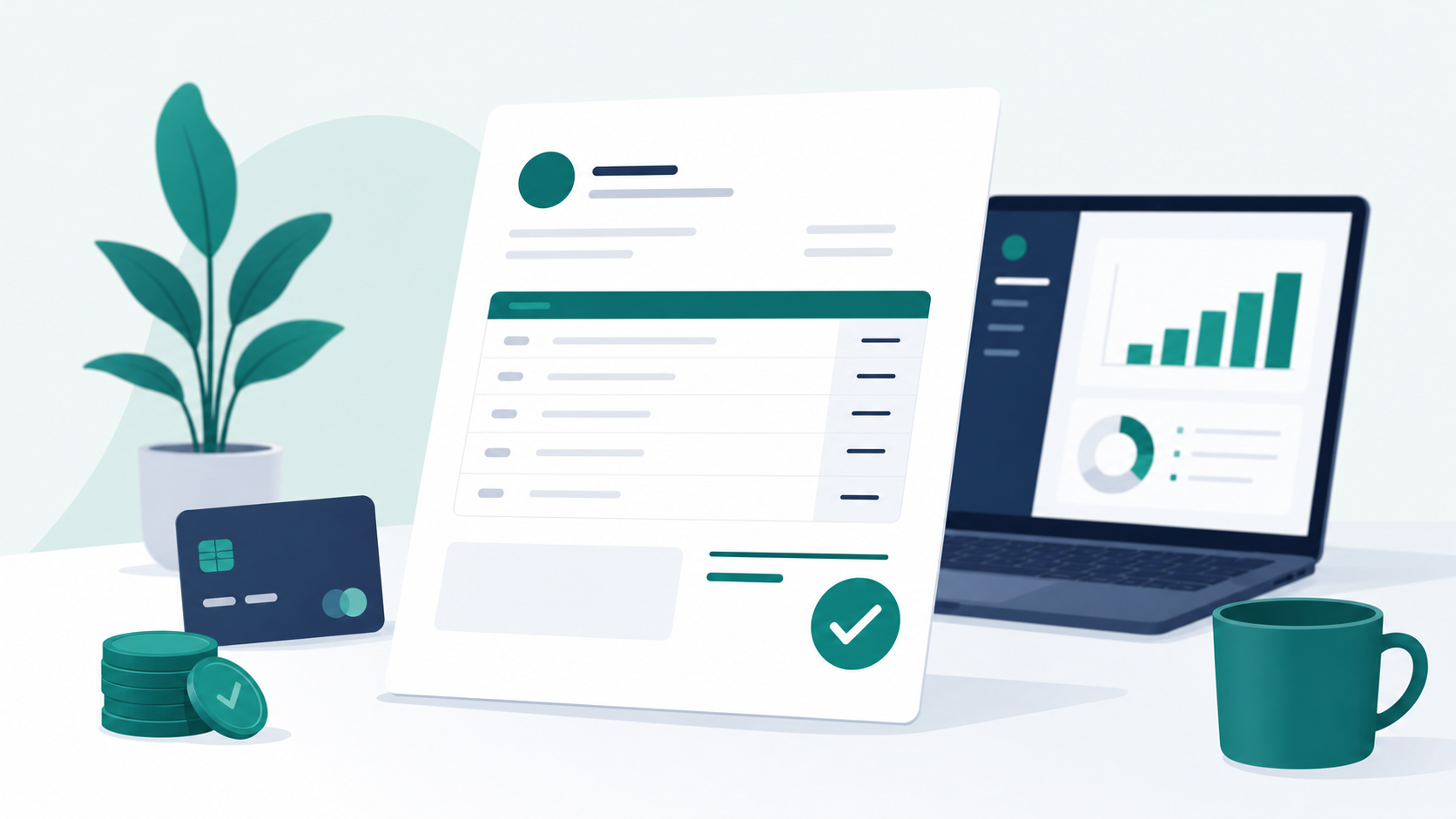
Professional invoicing: For service businesses, the moment a client says yes is when trust is highest. Send a clean, professional invoice immediately. Use our Invoice Generator to create polished, itemized invoices in minutes — no accounting software required.
Confirmation and follow-up: After someone buys, send an immediate confirmation email. Then follow up 24–48 hours later to check in. This simple step dramatically reduces buyer's remorse and increases repeat business.
The Stage Most Businesses Forget: Retention
A sales funnel doesn't end at the sale. Acquiring a new customer costs 5–7 times more than retaining an existing one. The most profitable small businesses treat their existing customers as the top of a new funnel — one that leads to repeat purchases, upsells, and referrals.
Simple retention tactics that work:
A loyalty program or repeat-customer discount
A monthly email newsletter with genuinely useful content (not just promotions)
A personal check-in call or email 30 days after purchase
Exclusive early access to new products or services for existing customers
Putting It All Together: Your 30-Day Funnel Build Plan
You don't need to build everything at once. Here's a realistic 30-day plan:
Week 1: Audit your current awareness channels. Optimize your Google Business Profile. Identify your best lead magnet idea.
Week 2: Create your lead magnet and set up a simple email capture form on your website. Write a 3-email welcome sequence.
Week 3: Collect 3–5 testimonials from happy customers. Add them to your website. Clarify your pricing page and add a clear call to action.
Week 4: Streamline your checkout or booking process. Set up a post-purchase follow-up email. Launch a simple referral program.
A sales funnel isn't a one-time project — it's a system you refine over time. Start simple, measure what's working, and improve one stage at a time. The businesses that win aren't the ones with the biggest budgets; they're the ones with the clearest path from stranger to customer.
Before you act on this
This article is for general educational purposes only. Everyone’s situation is different, so before making any decisions please refer to a qualified accountant, attorney, or business advisor who can advise you based on your specific circumstances.