How to Eat for Energy: The Nutrition Strategy That Keeps You Fueled All Day
You've done everything right — you're sleeping enough, exercising regularly, and trying to eat well. So why do you still crash at 2 p.m. every afternoon? Why does your energy feel like a roller coaster, peaking after breakfast and bottoming out before dinner? The answer almost always comes down to how you're eating, not just what you're eating.
Eating for sustained energy is a skill — and once you understand the mechanics, you can stop white-knuckling your way through afternoon slumps and start feeling genuinely alert and focused from morning to night. Here's the practical nutrition strategy that actually works.
Why Your Energy Crashes (And It's Not Just Sugar)
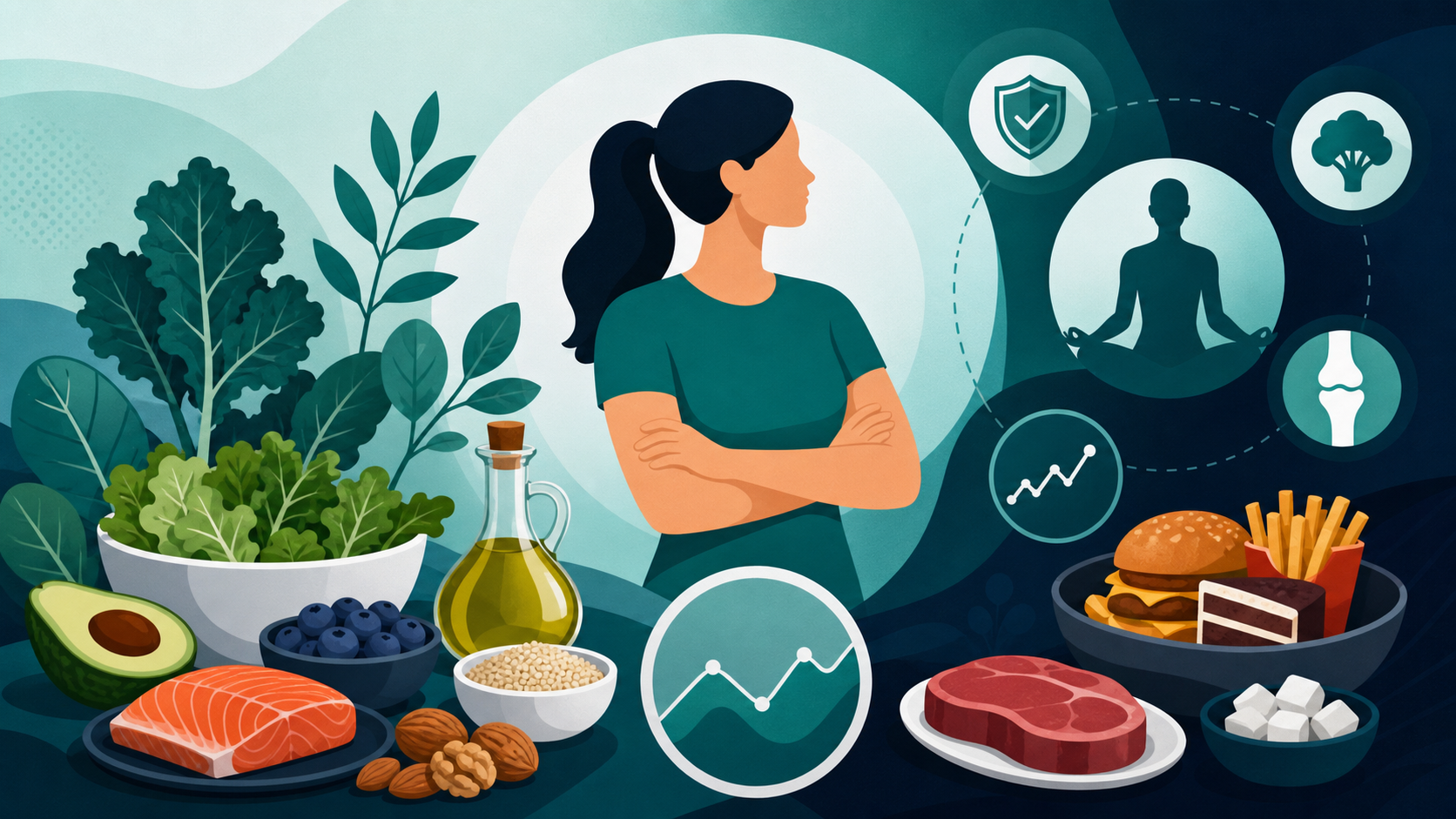
Most people blame sugar for energy crashes, and while refined carbohydrates are part of the story, the real culprit is blood sugar volatility. When you eat a meal that's heavy in fast-digesting carbs and light on protein, fat, and fiber, your blood sugar spikes quickly — and then drops just as fast. That drop is what you feel as fatigue, brain fog, and the desperate urge to reach for another coffee or snack.
But there's another layer: if you're consistently eating too few calories overall, your body simply doesn't have enough fuel to run efficiently. Chronic under-eating — even mild under-eating — suppresses energy, mood, and cognitive function. Before you can optimize how you eat, you need to know how much you should be eating. That starts with understanding your Total Daily Energy Expenditure (TDEE). Use the TDEE Calculator to find your personal calorie baseline — the number of calories your body actually burns each day based on your size, age, and activity level.
The Macronutrient Balance That Keeps Energy Stable
Once you know your calorie target, the next step is distributing those calories across the three macronutrients — protein, carbohydrates, and fat — in a way that supports steady energy rather than spikes and crashes.
Here's how each macro affects your energy:
Protein digests slowly and has almost no effect on blood sugar. It also triggers satiety hormones that keep you feeling full and focused. Aim for 0.7–1g of protein per pound of body weight daily.
Carbohydrates are your body's preferred fuel source — but the type matters enormously. Complex carbs (oats, sweet potatoes, legumes, whole grains) digest slowly and provide sustained energy. Simple carbs (white bread, pastries, sugary drinks) spike blood sugar fast and crash it just as quickly.
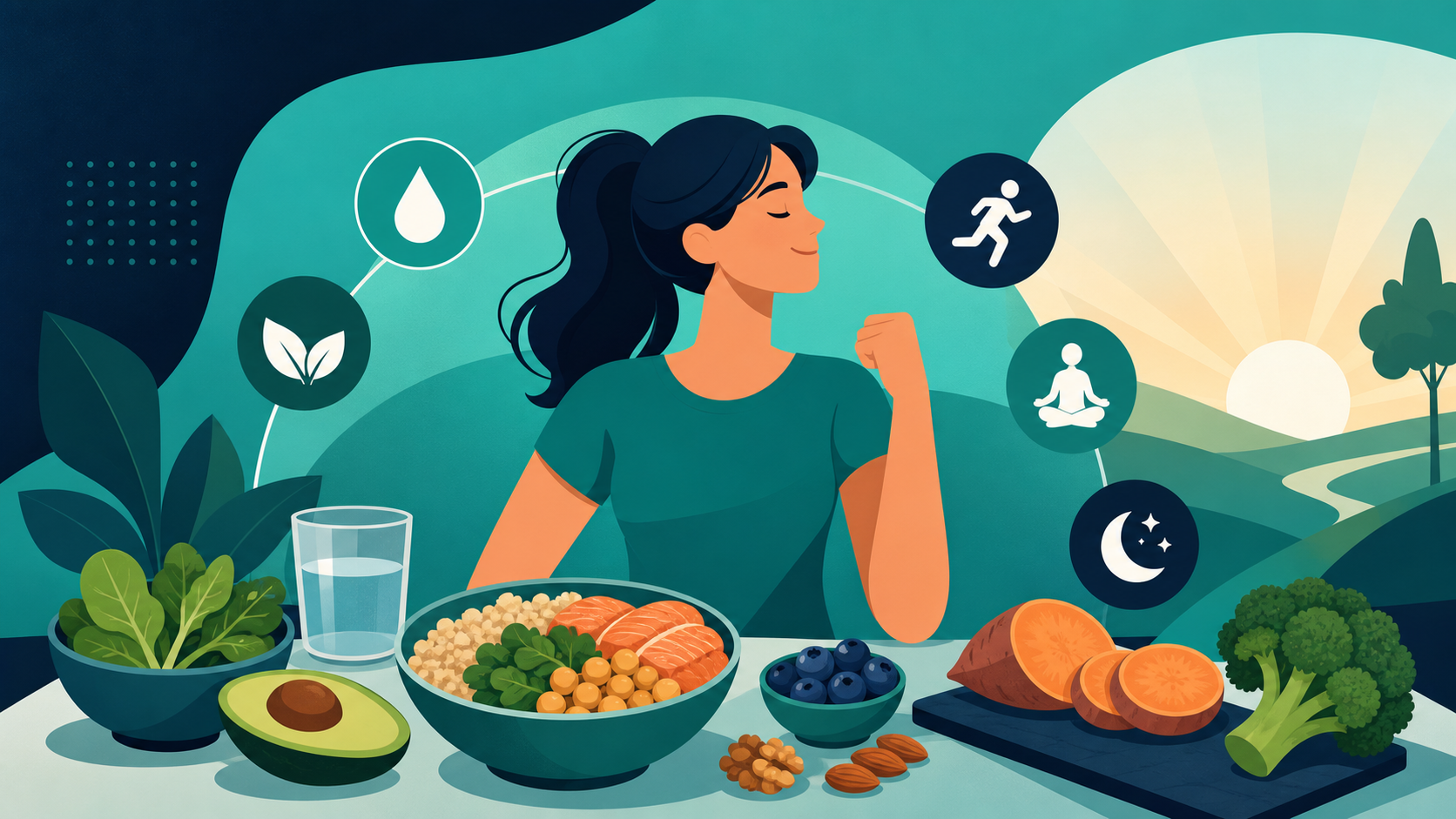
Fat is a slow-burning fuel that helps stabilize blood sugar when eaten alongside carbohydrates. Healthy fats from avocados, nuts, olive oil, and fatty fish also support brain function and hormone production — both critical for sustained mental energy.
A good starting point for most people is roughly 30% protein, 40% carbohydrates, and 30% fat — but your ideal ratio depends on your goals, activity level, and how your body responds. Use the Macro Calculator to get a personalized breakdown based on your specific stats and goals. It takes the guesswork out of the equation and gives you real numbers to work with.
Meal Timing: When You Eat Matters Too
You don't need to eat every two hours to maintain energy — that's a myth. But you do need to avoid going too long without eating, especially if you're active. Most people do well with three balanced meals and one optional snack, spaced roughly 4–5 hours apart.
The most important meal for energy is the one you eat first. A protein-rich breakfast — think eggs, Greek yogurt, or a protein smoothie — sets your blood sugar on a stable trajectory for the entire morning. People who skip breakfast or eat a carb-heavy one (cereal, toast, juice) often report the worst afternoon crashes.
For lunch, prioritize protein and fiber-rich vegetables with a moderate portion of complex carbs. This combination digests slowly enough to carry you through the afternoon without a slump. Save your largest carbohydrate serving for dinner, when your body is winding down and can use those carbs to replenish glycogen stores overnight.
The Overlooked Energy Killer: Dehydration
Even mild dehydration — as little as 1–2% of your body weight in fluid loss — measurably impairs cognitive performance, mood, and physical energy. Most people walk around chronically under-hydrated without realizing it, mistaking thirst for hunger or fatigue.
The old "eight glasses a day" rule is a rough approximation that doesn't account for your body size, activity level, or climate. A 120-pound sedentary person has very different hydration needs than a 200-pound athlete training in summer heat. Use the Water Intake Calculator to find your personalized daily hydration target — then build habits around hitting it consistently.
Practical hydration tips that actually work:
Drink 16 oz of water first thing in the morning, before coffee. You've been fasting for 7–8 hours and your body is already mildly dehydrated when you wake up.
Keep a large water bottle at your desk and set a reminder to refill it at least twice during the workday.
Eat water-rich foods — cucumbers, watermelon, leafy greens, and berries all contribute meaningfully to your daily fluid intake.
If you feel a mid-afternoon slump coming on, drink a full glass of water before reaching for caffeine. You may find the slump disappears on its own.
Foods That Drain Energy (Even "Healthy" Ones)
Some foods that seem healthy can actually undermine your energy if eaten at the wrong time or in the wrong amounts:
Large salads with no protein or fat — fiber-rich but low in calories and macronutrients, leaving you hungry and unfocused within two hours.
Fruit juice — even 100% juice delivers a concentrated sugar hit with none of the fiber that slows absorption in whole fruit.
Low-fat flavored yogurt — often contains as much sugar as a candy bar, with the fat removed (which would have slowed the sugar absorption).
Granola and energy bars — marketed as healthy but frequently loaded with added sugars and refined carbs that spike and crash blood sugar.
Alcohol — even a glass of wine with dinner disrupts sleep architecture, meaning you wake up less rested regardless of how many hours you slept.
Building Your Personal Energy-Optimized Eating Plan
Here's a simple framework to put everything together:
Step 1: Calculate your TDEE and set a calorie target that matches your goals (maintenance, mild deficit, or surplus).
Step 2: Use your macro targets to build meals that include protein, complex carbs, and healthy fat at every sitting.
Step 3: Calculate your daily water target and build a system to hit it — a large bottle, reminders, or habit stacking with existing routines.
Step 4: Track your energy levels for one week after making changes. Note what you ate before your best and worst energy periods. Adjust accordingly.
Step 5: Be consistent, not perfect. One off-meal won't derail your energy — but consistently skipping protein, under-eating, or staying dehydrated will.
The goal isn't to follow a rigid diet — it's to understand how food affects your body so you can make smarter choices automatically. Once you've dialed in your calorie needs, macro balance, and hydration, you'll likely find that the afternoon crash you've been fighting for years simply stops happening. That's not magic — it's just your body finally getting what it needs.
Before you act on this
This article is for general educational purposes only. Everyone’s situation is different, so before making any decisions please refer to a qualified doctor or licensed healthcare professional who can advise you based on your specific circumstances.