How to Install a Bathroom Vanity Yourself (And Save $300–$600 in Labor Costs)
Replacing a bathroom vanity is one of those home improvement projects that looks intimidating from the outside but is surprisingly manageable once you break it down into steps. Plumbers typically charge $200–$600 just for labor on a vanity swap — and that's before you factor in the markup on parts. With a few basic tools, a free Saturday morning, and a solid plan, you can do this yourself and pocket that money instead.
This guide walks you through the entire process: measuring your space correctly, choosing the right vanity, disconnecting the old unit safely, and installing the new one without leaks or headaches. Whether you're upgrading a dated pedestal sink or swapping out a worn cabinet, the process is the same.
Step 1: Measure Your Space Before You Buy Anything
The single biggest mistake DIYers make is buying a vanity before measuring properly. Bathroom spaces are rarely perfectly square, and a vanity that's even an inch too wide can mean returning a 60-pound cabinet to the store. Here's what to measure:
Width: Measure the available wall space, accounting for door swings, toilet clearance (at least 15 inches from center of toilet to vanity edge), and any trim or molding.
Depth: Standard vanities are 21–22 inches deep. Measure from the wall to any obstacles like a door or toilet.
Height: Standard height is 32–36 inches. If you're tall or have back issues, consider a "comfort height" vanity at 36 inches.
Plumbing rough-in: Note where your drain and supply lines exit the wall or floor — your new vanity cabinet needs to accommodate these locations.
If your measurements are in a mix of inches and centimeters (common when shopping online or at international retailers), use the Unit Converter to quickly translate between measurement systems so you're comparing apples to apples.
Step 2: Gather Your Tools and Materials
You don't need a plumber's toolkit for this job. Here's what you'll need:
Adjustable wrench and basin wrench
Utility knife and putty knife
Level (a 4-foot level is ideal)
Stud finder
Drill and drill bits
Plumber's putty or silicone caulk
Teflon tape (plumber's tape)
Bucket and old towels
Flexible supply lines (usually sold separately from the vanity)
Budget around $20–$50 for supplies if you don't already own them. That's still a fraction of what a plumber would charge.
Step 3: Shut Off the Water and Remove the Old Vanity
Before touching anything, turn off the water supply valves under the sink. If there are no shutoff valves under the sink (older homes sometimes lack them), turn off the main water supply to the house. Turn on the faucet to release any remaining pressure in the lines.
Then follow these removal steps:
Disconnect the drain: Unscrew the P-trap (the curved pipe under the sink) and set it aside. Have your bucket ready — there will be residual water.
Disconnect supply lines: Use your wrench to loosen the nuts connecting the hot and cold supply lines to the shutoff valves.
Cut the caulk: Run a utility knife along any caulk sealing the vanity to the wall and floor.
Remove mounting screws: Most vanity cabinets are screwed into wall studs. Find and remove these screws, then carefully pull the cabinet away from the wall.
Remove the countertop/sink: If the top is separate, lift it off. If it's integrated, the whole unit comes out together.
Step 4: Prep the Wall and Install the New Cabinet
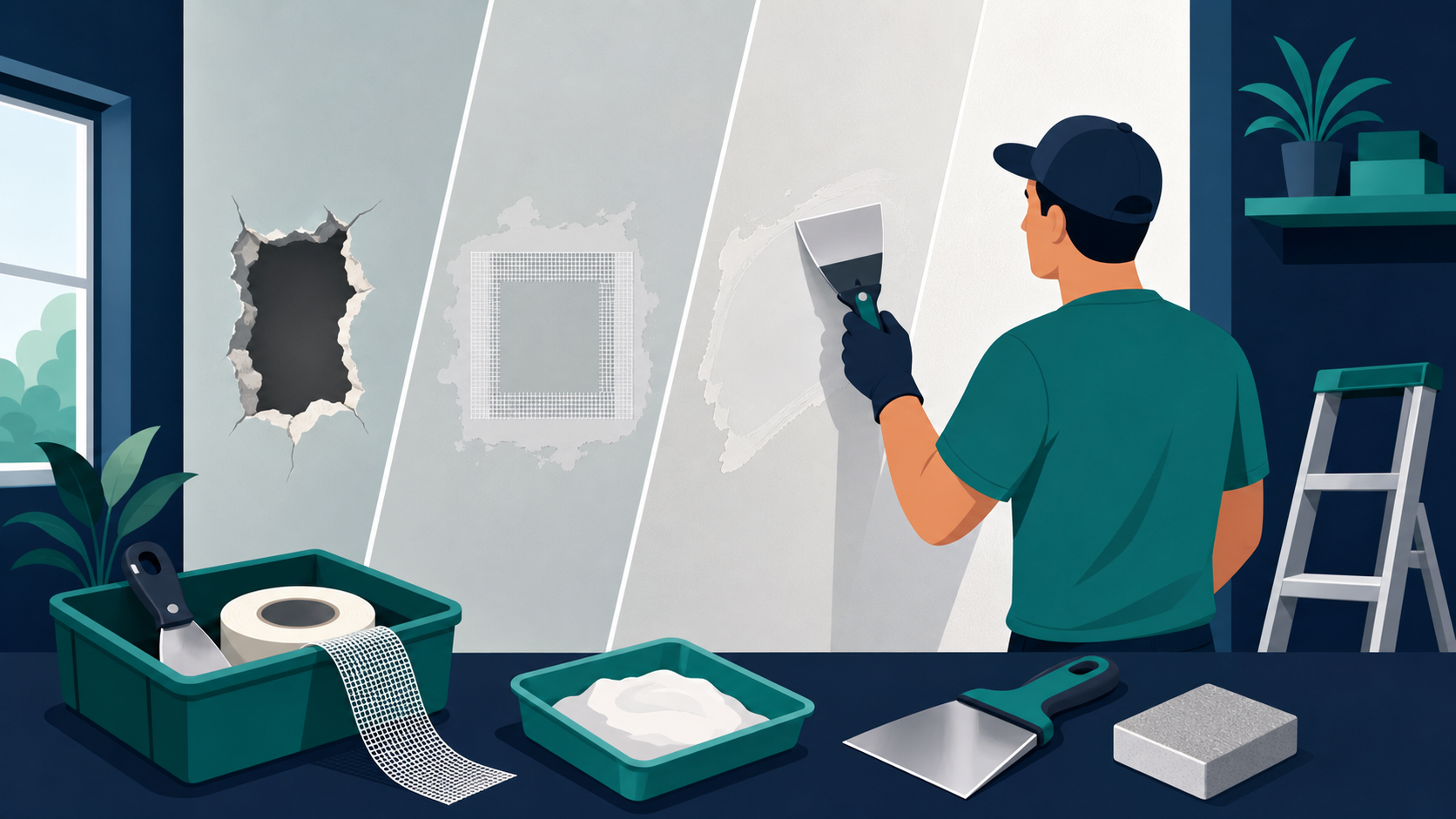
With the old vanity out, inspect the wall for any water damage, mold, or soft drywall. Address any issues now — it's much easier before the new cabinet goes in. Patch holes, let everything dry, and clean the floor area.
Now position your new vanity cabinet:
Locate the studs: Use your stud finder and mark stud locations on the wall. You'll anchor the cabinet here.
Check for level: Slide the cabinet into position and check it with your level — both side to side and front to back. Bathroom floors are rarely perfectly flat. Use shims under the cabinet base to level it.
Secure to the wall: Drive screws through the cabinet's mounting rail into the wall studs. Use at least two screws per stud location for a solid hold.
Trim shims: Score and snap off any protruding shims with a utility knife.
If your new vanity dimensions differ from the old one, you may need to patch or repaint the wall behind it. Use the Metric to Imperial Converter if your new vanity's specs are listed in centimeters and you need to compare them to your wall measurements in inches — a common scenario when shopping European or online brands.
Step 5: Install the Sink, Faucet, and Reconnect Plumbing
If your vanity top and faucet aren't pre-installed, do this before setting the top on the cabinet — it's much easier to work on a countertop at table height than crouched under a sink.
Install the faucet: Thread the faucet through the sink holes, secure with the mounting hardware underneath, and hand-tighten (then snug with a basin wrench).
Apply plumber's putty or silicone: If your drain requires it, apply a ring of plumber's putty around the drain flange before pressing it into the sink hole.
Set the top: Lower the countertop onto the cabinet. Apply a bead of silicone caulk along the top edge of the cabinet first for a watertight seal.
Connect supply lines: Wrap the threads of the shutoff valves with Teflon tape (2–3 wraps), then hand-tighten the supply line nuts. Snug with a wrench — don't overtighten or you'll crack the fittings.
Reconnect the P-trap: Reassemble the drain P-trap, making sure the slip joints are hand-tight and properly aligned.
Step 6: Test for Leaks and Finish Up
Turn the water supply back on slowly and watch every connection point carefully. Run the water for a full minute and check under the sink with a dry paper towel — any moisture means a connection needs tightening. Don't skip this step; a slow drip can cause significant water damage over weeks.
Once you've confirmed no leaks, finish the job:
Caulk the seam where the vanity top meets the wall with a paintable or bathroom-grade silicone caulk.
Caulk the base of the cabinet where it meets the floor (optional but looks clean and prevents moisture intrusion).
Install the cabinet doors and drawer hardware if they weren't pre-attached.
Reinstall the mirror or medicine cabinet above.
What Does This Project Actually Cost?
A mid-range bathroom vanity (cabinet + top) runs $150–$600 at home improvement stores. Add $20–$50 for supplies and you're looking at a total project cost of $170–$650 — compared to $500–$1,200+ if you hire it out. That's a savings of 40–60% by doing it yourself.
Want to know exactly how much you're saving? Use the Percentage Calculator to compare your DIY cost against a contractor quote and see your savings as a percentage — it's a satisfying number to look at when the job is done.
Common Mistakes to Avoid
Not turning off the water first. Sounds obvious, but it happens. Always shut off supply valves before disconnecting anything.
Skipping the level check. An unlevel vanity looks bad and can cause doors and drawers to swing open or not close properly.
Overtightening connections. Plastic drain fittings and supply line nuts crack easily. Hand-tight plus a quarter turn is usually enough.
Forgetting to check for studs. Anchoring a vanity into drywall alone won't hold — always hit the studs.
Buying the wrong size. Measure twice, buy once. A vanity that's too wide or too deep is a costly mistake.
Installing a bathroom vanity is a genuinely achievable weekend project for most homeowners. The skills you build — shutting off water, working with supply lines, leveling cabinets — transfer directly to dozens of other home improvement tasks. Once you've done it once, you'll wonder why you ever called a plumber for something this manageable.
Before you act on this
This article is for general educational purposes only. Everyone’s situation is different, so before making any decisions please refer to a licensed contractor and check your local building codes and permit requirements who can advise you based on your specific circumstances.